Blinded by the Storm: How Bad Weather Fools Your Car’s Safety Sensors
When Modern Safety Tech Meets Severe Weather
Advanced driver-assistance systems can make ordinary driving less tiring and help reduce the consequences of a mistake. Cameras identify lane markings, radar tracks distance and closing speed, and ultrasonic sensors assist with parking. In clear conditions, that combination can feel reassuring. During heavy rain, blowing snow, fog, or road spray, however, the same technology may suddenly become less capable. A lane-centering system can drift into standby, adaptive cruise control can cancel, or a dashboard can display several warnings at once.
Those alerts are not necessarily signs of a serious mechanical failure. Often, the system is reporting that it can no longer interpret its surroundings with enough confidence. The important response is not to fight the warning or assume the car will recover automatically. Active safety systems remain driving aids, not autonomous replacements for an attentive motorist. Understanding their limits is essential; an Authoritative Source on driver assistance technologies, along with the federal guidance on driver assistance technologies, emphasizes that human drivers remain responsible for vehicle control.
How Rain Fog and Slush Blind Each Type of Sensor
Each sensor type interacts with bad weather differently. A forward-facing camera needs a reasonably clear optical path, useful contrast, and recognizable features. Water droplets on the windshield, glare from wet pavement, windshield haze, and heavy spray from a truck can obscure lane lines or make them blend into the road. Snow can cover the camera”s viewing area, while fog reduces contrast across the entire scene. Even when a driver can still see the road, the camera may no longer have a dependable view of the markings or vehicles ahead.
Radar is generally more tolerant of darkness, rain, fog, and glare because it measures reflected radio waves rather than relying on visible contrast. It can often continue tracking a vehicle when a camera struggles. Radar is not invulnerable, though. A thick layer of frozen slush, road salt, or packed snow over the radar panel can block or distort its signal. Reflections from wet surfaces and dense road spray can also complicate target selection. Sensor fusion helps a vehicle compare radar information with camera input, but it cannot create trustworthy data when several sensors are obstructed at once.
Ultrasonic sensors, usually the small round units embedded in bumpers, are designed for short-range parking assistance. Heavy rain and snow produce many small reflecting surfaces, while mud, salt, ice, and dried water spots can alter the signal returning to the sensor. The result may be an unexpected warning tone even though no solid object is directly in the vehicle”s path. The following comparison shows why no single sensor should be treated as dependable in every storm.
| Sensor | Useful strength | Common weather weakness |
|---|---|---|
| Camera | Recognizes lanes, signs, lights, and object details | Water droplets, fog, glare, darkness, snow, and poor contrast |
| Radar | Measures distance and relative speed in low visibility | Blocked radar panels, heavy slush, reflections, and dense spray |
| Ultrasonic | Detects nearby objects during parking | Rain, snow, dirt, ice, uneven ground, and false reflections |
Phantom Braking and Disengagements Explained
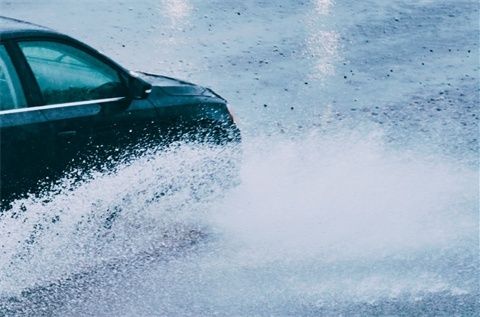
Phantom braking occurs when the vehicle”s perception system interprets something as a hazard and briefly commands braking even though the driver does not see a genuine obstacle. Dense water plumes behind a truck can create a large, shifting radar return. Road spray can reflect signals in confusing ways, and wet pavement can produce bright visual glare or unusual reflections. The system is designed to respond conservatively when target discrimination becomes uncertain, but that conservative response can feel like an abrupt, inexplicable brake application.
Adaptive cruise control and lane centering may also disengage when the system”s confidence falls below its operating threshold. A camera may lose lane lines, radar may become obstructed, or the vehicle may detect inconsistent information between sensors. Some cars provide a chime and a message such as “camera unavailable” or “cruise control unavailable.” Others may cancel with little notice beyond an instrument-panel symbol. Transportation research documented in the DOT safety research repository describes how environmental scatter can impair a sensor”s ability to distinguish useful targets from background returns.
Ultrasonic sensors create a different kind of surprise. During a slow crawl through a wet parking lot, a bumper may begin beeping continuously because rainfall, slush, or a nearby curb is producing an unexpected echo. The psychological shock matters. A driver who panics may stab the brakes, jerk the steering wheel, or stare at the warning display instead of watching traffic. A calmer response preserves control and gives the driver time to determine whether the alert is a temporary weather limitation or a genuine hazard.
- Expect more alerts when sensors are covered by salt, ice, mud, or road spray.
- Assume lane centering is unavailable if lane markings are difficult for a human driver to see.
- Do not accelerate to “test” whether adaptive cruise control has returned.
- Watch the road first, then read the warning message when traffic conditions allow.
- Treat a persistent warning in clear weather as a maintenance issue that deserves inspection.
Immediate Actions When Safety Systems Shut Down
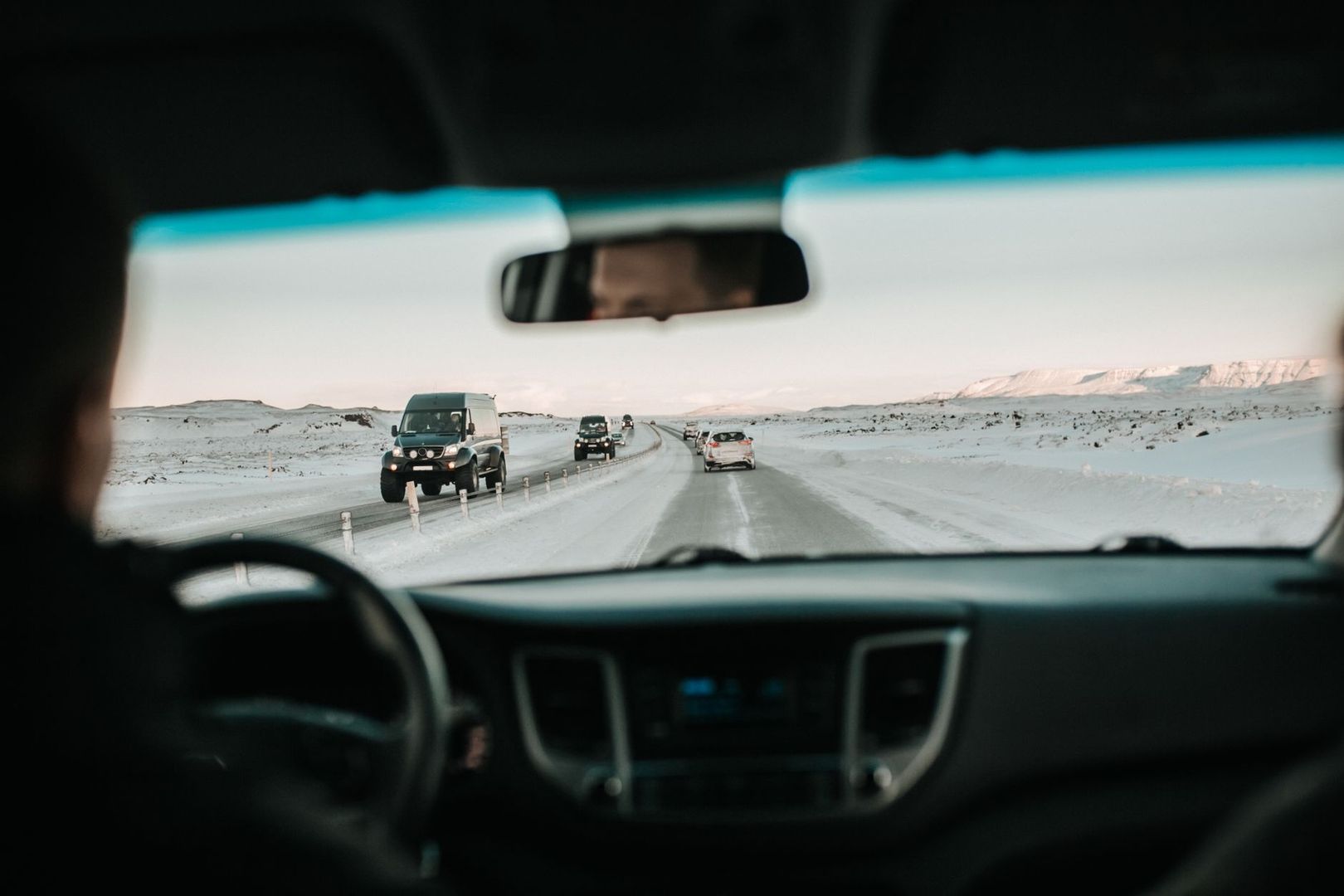
Standing water and freezing slush are poor conditions for relying on automated speed and distance control. Adaptive cruise control may react to spray or lose a target, while traction can change rapidly across puddles, polished ice, and partially cleared lanes. If severe weather is developing, disable adaptive cruise control before entering the worst section and manage speed with the accelerator and brake pedals. This keeps the driver”s expectations aligned with the car”s actual capabilities.
When a system disengages unexpectedly, make the transition smooth. Keep both hands positioned to steer, hold a steady course, and avoid a sharp steering correction unless an actual obstacle requires it. Ease off the accelerator, apply the brakes progressively when needed, and create additional space around the vehicle. A following distance well beyond the normal interval gives more time to react to obscured brake lights, standing water, and reduced tire grip.
- Look through the windshield and confirm the vehicle”s position in the lane before reacting to the display.
- Release or cancel cruise control and take full manual control of speed and braking.
- Increase the gap to the vehicle ahead, especially behind trucks that create heavy spray.
- Reduce speed gradually and avoid abrupt lane changes, hard braking, or sharp steering inputs.
- If visibility becomes dangerously poor, pull off at a safe location rather than stopping on an active shoulder when avoidable.
- Once safely stopped, inspect the windshield camera area, front radar zone, and bumper sensors for snow, ice, salt, or mud.
National transport agencies reinforce this approach. Guidance on driver assistance technologies reminds motorists that assistance features do not remove the need to adjust driving behavior for winter conditions. If warnings remain after the weather improves and the sensor areas are clean, arrange a diagnostic inspection. A collision, bumper repair, grille replacement, or windshield replacement may also require professional ADAS calibration.
Keeping Your Vehicle Sensor Zones Road-Ready
Sensor locations vary by vehicle, so the owner”s manual is the best starting point. Common areas include a radar panel in the front grille or emblem, a camera mounted near the rearview mirror, ultrasonic dots across the bumpers, a rear camera near the hatch or license plate, and blind-spot sensors near the rear corners. These zones can be easy to overlook because they are small and often positioned where road grime accumulates.
Clear snow from the entire vehicle before moving, not just from the windshield. Use a soft snow brush and a plastic scraper, and avoid metal tools or aggressive rubbing over camera lenses and sensor covers. For salt crust and dried mud, rinse or wash with mild automotive detergent, then dry with a clean cloth. High-pressure water jets and harsh automatic-wash brushes can damage or disturb exterior components, so use care around sensor openings. A clean windshield, properly aimed washer nozzles, and effective wipers are especially important when the forward camera looks through the swept area.
- Inspect the front grille, emblem, bumper dots, mirrors, rear camera, and windshield camera area before winter trips.
- Keep washer fluid rated for the expected freezing temperature.
- Replace streaking or damaged wiper blades before storm season.
- Clear sensor zones only in a safe location, never while stopped in an exposed traffic lane.
- Check for cracked windshield glass, dented radar panels, loose bumper trim, or signs of impact.
- Request ADAS calibration after relevant body repairs or windshield replacement when the manufacturer requires it.
Reclaiming Command Behind the Wheel
Bad weather does not make modern safety technology useless, but it changes the margin for error. Cameras can lose the visual information they need, radar can be blocked or confused by spray, and ultrasonic sensors can react to precipitation as though it were a nearby object. A warning or disengagement is therefore a prompt to resume complete manual control, not an invitation to keep driving as though nothing changed.
The safest habit is deliberate preparation. Clean the sensor zones, maintain the wipers and washer system, reduce speed before visibility collapses, and leave more space than usual. When the chimes sound, stay calm, look at the road, and make smooth inputs. The vehicle may assist when conditions permit, but in rain, snow, slush, or fog, the alert driver remains the primary safety system.