Blinded by the Light: How to Protect Your Night Vision Against Modern Headlights
Why Today’s Night Driving Feels Intensely Blinding
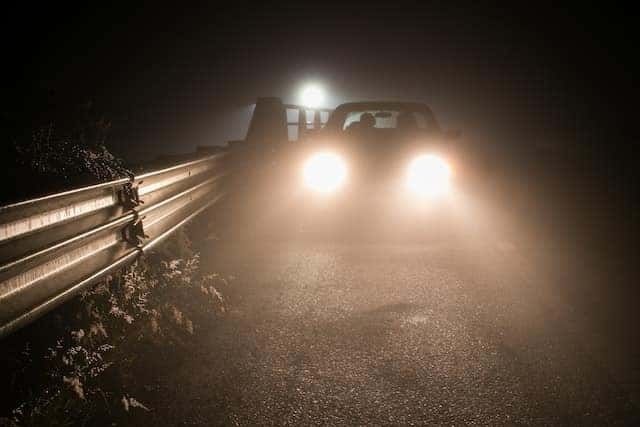
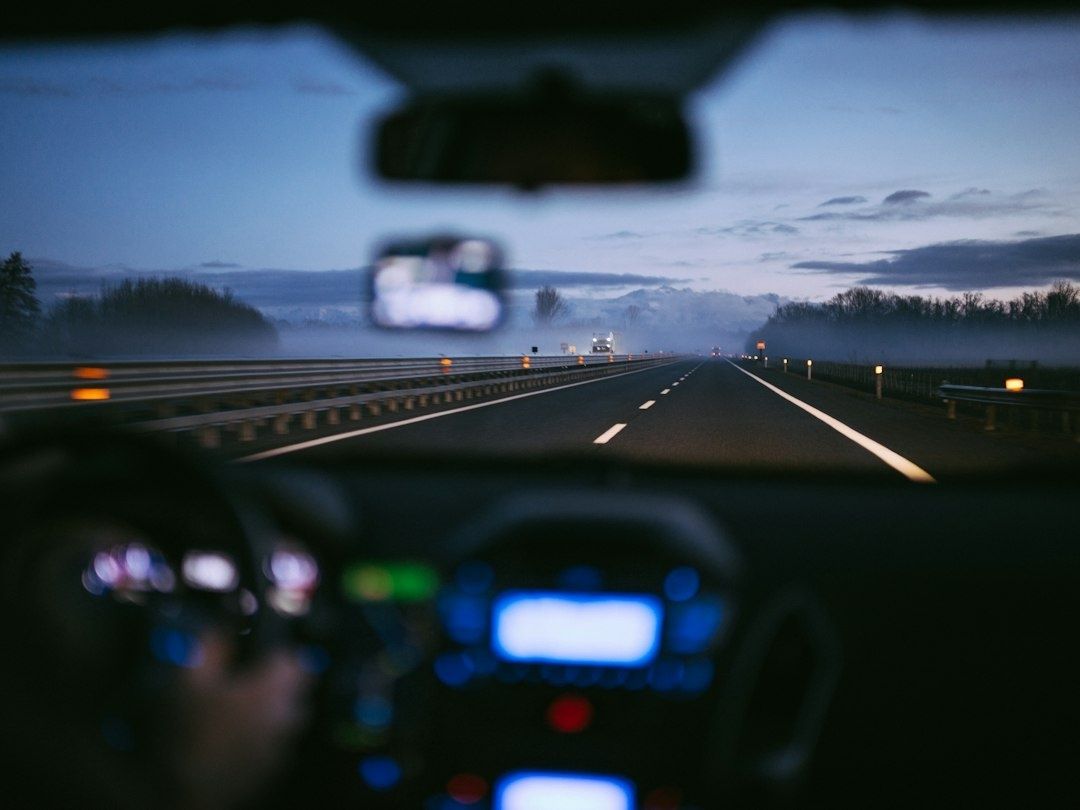
Many drivers know the moment well. A dark road seems manageable, then an oncoming vehicle appears with a sharp white beam that overwhelms the lane ahead. For several seconds, the road edge, pavement markings, and distant hazards seem to disappear. The experience can produce eye strain, a startled reaction, or genuine anxiety, especially on rural highways where there is little ambient lighting to soften the contrast.
Cleaning the windshield, replacing cloudy headlamp covers, and checking that your own lights are aimed correctly are important maintenance steps. However, they cannot fully solve the problem when the opposing vehicle uses intense LED or high-intensity discharge lighting. Modern beams can be brighter, whiter, more precisely focused, and positioned higher than the older halogen systems many drivers learned with.
The deeper issue is the interaction between automotive lighting and human vision. Your eyes are adapted to a low-light environment, and a sudden bright beam temporarily changes the sensitivity of the retina. The safest response is not to stare at the light or to search frantically for the centerline. Instead, use deliberate focal scanning, control distracting light inside the cabin, and keep a reliable visual anchor at the right edge of your lane.
The Biology of Night Vision and Why Modern Headlights Shatter It
Night vision depends heavily on rod cells, the retinal photoreceptors that are highly sensitive to dim light but do not provide the sharp color vision available in daylight. In very low illumination, called scotopic vision, the visual pigment rhodopsin helps rods detect small amounts of light. In the intermediate conditions common on roads, called mesopic vision, rods and cones work together. This allows some color and detail, but contrast remains much poorer than it is during the day.
When a powerful headlight enters the eye, it bleaches a portion of the available photopigment. The eye can begin rebuilding that sensitivity, but recovery is not instantaneous, leaving drivers temporarily compromised during the transition. Empirical investigations into glare-induced contrast sensitivity loss and reduced hazard detection distances under oncoming LED illumination, available through this medical research resource, quantify how dramatically modern high-intensity headlamps depress a driver’s ability to identify roadside hazards and lane boundaries.
Many newer headlights also produce more short-wavelength light than traditional warm halogen bulbs. Blue-rich light scatters more readily within the eye, particularly through the cornea, lens, and other ocular media. This creates veiling glare, a bright haze that reduces the contrast between an object and its background. Aging, dry eyes, early cataracts, and other optical changes can intensify the effect. The American Academy of Ophthalmology notes that slower dark adaptation, glare sensitivity, reduced contrast sensitivity, and cataracts are among the vision changes that can become more common with age.
- Rhodopsin regeneration takes time after a bright exposure.
- Blue-rich light can create more internal scatter and haze.
- Glare reduces contrast, even when the road remains technically visible.
- Fatigue, dry eyes, and aging can lengthen recovery and increase discomfort.
This explains why looking directly at an approaching headlamp is such a poor strategy. Staring keeps the brightest part of the beam centered on the retina and delays the return of useful low-light contrast. A brief glance toward a stable lane reference is safer than trying to judge distance from the source of glare itself.
How Modern Vehicle Lighting Changed the Rules of Road Illumination
Automotive lighting has moved from relatively warm halogen bulbs toward high-output LED systems, high-intensity discharge lamps, projector optics, and adaptive lighting arrays. These technologies can provide excellent forward visibility when correctly designed and aimed. Their narrow, controlled beams can place substantial light on road signs, lane markings, and hazards at a distance. The trade-off is that a misaligned lamp, a steep vehicle attitude, or an unfavorable road crest can place intense light directly into another driver’s visual field.
Adaptive driving beam systems add another layer. In the United States, the National Highway Traffic Safety Administration amended Federal Motor Vehicle Safety Standard No. 108 to establish performance requirements for adaptive driving beams. These systems can operate like high beams while selectively reducing portions of the pattern when sensors detect other vehicles. The governing regulatory framework is available through the federal government’s official Federal Register access service; readers who encounter an access restriction can use Request Access. Compliance does not mean every real-world encounter will feel comfortable, since road curves, sensor timing, dirt, weather, and differences in vehicle height still affect glare.
| Lighting type | Typical visual character | Common glare concern |
|---|---|---|
| Halogen | Warmer, softer-looking output | Usually lower intensity, but poor aim can still cause glare |
| LED | Bright white output with precise optics | Sharp contrast and blue-rich scatter can feel severe |
| High-intensity discharge | Strong, cool-white beam | High output can overwhelm dark-adapted eyes |
| Adaptive matrix or driving beam | Variable beam shaped by sensors | Performance depends on calibration, detection, and road geometry |
Vehicle height also matters. A tall SUV or pickup may position its lamps closer to the eye level of someone in a lower sedan. Even when both vehicles comply with lighting requirements, the geometry can make the encounter feel more direct. Drivers should not assume that a bright lamp is illegally aimed, but repeated glare from a particular vehicle or a beam that appears uneven may justify reporting the issue or having the vehicle’s own headlamps inspected for alignment.
Actionable Cockpit Defenses to Preserve Retinal Recovery
The most useful defensive habit is to stop treating an approaching headlight as the object that must be watched. Your goal is to maintain lane position and preserve as much night adaptation as possible. On a two-lane road, shift attention toward the right-side fog line or the outer edge of the pavement. Do not move onto the shoulder, but use that boundary as a visual anchor while maintaining normal speed and steering control.
Keep the eyes moving through a controlled scan rather than holding a fixed stare. Look briefly toward the lane edge, then farther ahead along the road, then back to the lane position. This allows the visual system to collect information from multiple areas without placing the brightest source continuously at the center of gaze. The technique is especially important on curves, where the headlight may sweep across the windshield and create a rapidly changing glare pattern.
- Establish the lane anchor. Identify the right fog line, pavement edge, or a consistent boundary well ahead of the vehicle.
- Reduce direct fixation. As an oncoming vehicle approaches, glance toward the anchor instead of looking into the headlamp.
- Continue a broad scan. Check the lane ahead, the road edge, mirrors, and distant contours without making abrupt eye movements.
- Control interior brightness. Dim the instrument cluster and infotainment display to the lowest setting that remains readable.
- Correct mirror bounce. Use the rearview mirror’s night setting and adjust side mirrors so following headlights do not reflect directly into your eyes.
Interior lighting deserves more attention than it usually receives. A bright navigation screen creates a competing light source close to the eyes, forcing repeated adjustments between the screen and the dark road. Reduce the display brightness before leaving a well-lit area, and use voice guidance where practical. Never cover the windshield or disable essential safety displays simply to reduce glare.
Mirror adjustment can also prevent unnecessary exposure. The rearview mirror’s dimming tab or automatic night mode reduces reflected glare from vehicles behind you. Side mirrors should be positioned to minimize direct reflection while retaining useful coverage. If glare remains unusually severe even after these adjustments, schedule a comprehensive eye examination. The American Academy of Ophthalmology recommends regular professional evaluation because conditions such as cataracts, glaucoma, and retinal disease may develop gradually without obvious daytime symptoms.
Reading Pitch-Black Rural Roads Without Visual Fatigue
Rural roads often provide no streetlights, buildings, or nearby traffic to supply depth cues. Learn to read the landscape around the pavement rather than relying only on the illuminated area directly ahead. Tree lines can reveal the direction of a curve, ditch contours can show where the road drops away, and telephone poles can help establish distance and alignment. These objects may be faint, but they remain useful through peripheral vision.
Approaching crests and blind curves require anticipation. A glow above a hill, a brightening tree line, or light reflecting from roadside signs may indicate an approaching vehicle before its headlights are visible. On a curve, scattered light against trees can suggest the direction from which traffic is coming. Reduce speed before the crest or bend, not after the opposing vehicle appears. Speed control gives the eyes more time to recover and gives the driver more room to respond if the roadway changes.
Be skeptical of yellow-tinted night-driving glasses. A yellow filter may make the scene appear warmer or reduce the subjective harshness of some white light, but it also removes part of the light reaching the eye. In already dark conditions, that can reduce available illumination and contrast. Polarization may help with some reflected glare in daytime settings, but it does not eliminate the direct glare of an oncoming headlamp. Glasses marketed as a universal solution should not replace correct speed, scanning, or an eye examination.
- Use peripheral tree lines and utility poles as background alignment cues.
- Slow before blind curves, crests, and dips conceal approaching traffic.
- Keep the windshield, glasses, and headlamp covers clean and free from haze.
- Replace worn wiper blades when nighttime reflections spread into streaks.
- Arrange an eye examination if glare, halos, or recovery time are worsening.
Aging eyes may transmit less light through the lens and may adapt more slowly after exposure. Dryness can add an unstable tear film that scatters light across the cornea. Drivers who experience halos around every lamp, persistent blur, double vision, sudden flashes, or a sudden increase in floaters should seek prompt medical advice rather than simply buying an anti-glare accessory. Night driving difficulty can be a useful warning sign that deserves professional attention.
Take Control of Your Night Drives with Confident Optical Habits
Modern headlights are not going away, and passive frustration does not protect night vision. Clean glass and properly aimed vehicle lighting still matter, but the strongest everyday defense is active visual management. Keep your gaze moving, use the right pavement edge as an anchor, avoid staring into approaching beams, and slow down early when road geometry limits your view.
- Dim the dashboard and infotainment screen before entering an unlit road.
- Confirm the rearview mirror is in night mode and side mirrors are correctly positioned.
- Clean the windshield inside and out, especially where haze creates halos.
- Check that your own headlights are aimed correctly and that the lenses are clear.
- Schedule an eye examination when glare, halos, blur, or slow recovery become persistent.
These habits do not make bright headlights disappear, but they reduce the amount of visual information lost when a beam arrives. With deliberate scanning and sensible speed control, dark highways become more predictable and less stressful. Confidence comes from giving the eyes a practical job: preserve the lane, read the road edges, and keep recovering instead of locking onto the glare.